February 2026 Newsletter: Hearts, Hands and 911

Happy Valentine's Day from our family to yours!
February is designated as American Heart Month, a national, annual initiative to raise awareness about cardiovascular disease. Heart Disease is the leading cause of death in the United States, and South Metro Fire Rescue often encounters these emergencies. South Metro Fire Rescue wants you to celebrate this Valentine's Day by learning the signs of heart attacks (and the different symptoms women can experience), learning Hands-Only CPR, and having a plan for any type of medical emergency.
HEART ATTACKS: Know The Signs
A heart attack occurs when blood flow to the heart muscle is blocked. Recognizing the symptoms promptly is crucial for timely medical intervention. The following are common symptoms of a heart attack, but this list is not exhaustive - if you are ever concerned you may be having a heart attack, call 911 immediately. Medics will quickly arrive and evaluate you.

Women don't (only) want chocolate this Valentine's Day. They want you to KNOW THE SIGNS!
Women often experience different and more subtle heart attack symptoms than men, frequently without severe chest pain. Symptoms can appear gradually, days or weeks before, often mistaken for flu or indigestion.
Common Women-Specific Heart Attack Symptoms
- Unusual Fatigue: A sudden, intense tiredness or lack of energy that may last for days.
- Back, Neck, or Jaw Pain: Pain that radiates to the upper body, often described as pressure or aching.
- Shortness of Breath: Difficulty breathing, sometimes even without chest discomfort.
- Nausea, Vomiting, or Indigestion: Often mistaken for a stomach bug or heartburn.
- Cold Sweats: Breaking out in a cold sweat without obvious reason.
- Lightheadedness or Dizziness: Feeling faint or dizzy.
- Chest Discomfort: While not always severe, this may include squeezing, pressure, or fullness in the center of the chest.
Important Considerations
- Subtle Onset: Symptoms may be mild, come and go, or be mistaken for anxiety or stress.
- Delayed Recognition: Women often downplay symptoms, which can lead to delayed recognition.
- Emergency Action: If these symptoms are experienced, call 911 immediately; do not drive yourself to the hospital.
Hands-Only CPR
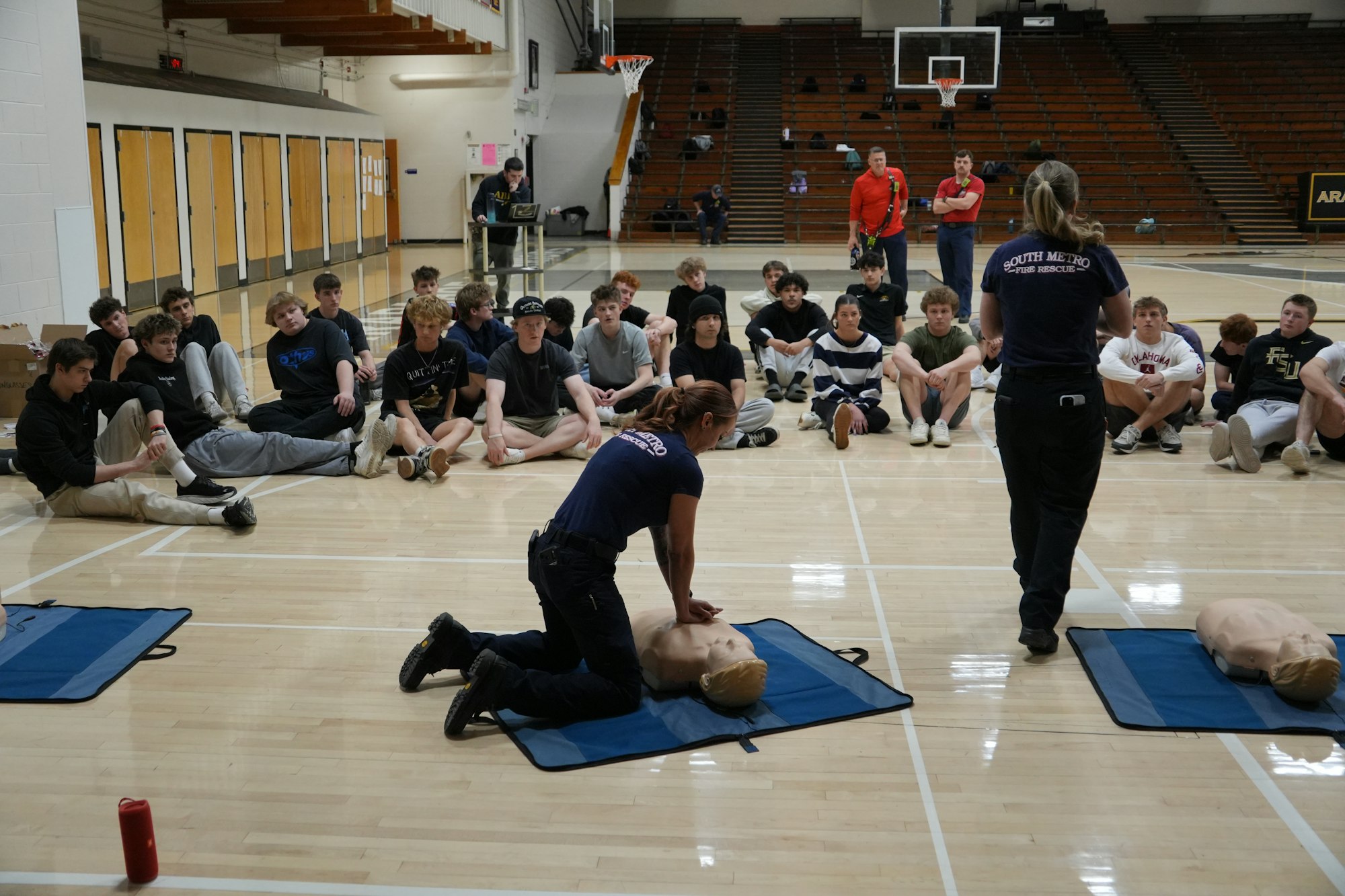
CPR is needed if someone’s heart stops beating. This can occur because of a heart attack, a genetic condition, or traumatic injury. While paramedics and firefighters respond as quickly as possible, it can still take several minutes for help to arrive. Bystanders who act immediately and provide Hands-Only CPR can double or even triple a victim’s chances of survival.
If someone collapses or becomes unresponsive, you need to act fast:
1. Check Responsiveness - shake, tap, and shout "are you okay?" If they do not respond, this is a medical emergency and you need to call 9-1-1 immediately.
2. Send for an AED if one is available or nearby. "Each minute that defibrillation is delayed reduces someone's chances of survival by approximately 10%." (American Red Cross)
An AED (Automated External Defibrillator) is easy to use - just turn it on and listen to the instructions.
3. Check for breathing - put your ear next to their mouth and listen/feel for breath. Look at their chest for rise and fall of breathing. If they aren't breathing or only gasping, start CPR immediately.
* Ensure they are on their back on a firm, flat surface.
4. Hand Placement - put the heel of your hand in the center of their chest, with your other hand on top. Lock your elbows to keep your arms straight, and position your shoulders over their chest.
5. Compression Technique - Push hard and fast in the center of their chest. Use your body weight, not just your arms. Aim for a depth of about 2 inches and a pace of 100-120 beats per minute. After each compression, allow the chest to return to it's normal position. Remember"Stayin' Alive" by the Bee Gees to keep the beat!
6. Keep Going! - Continue compressions until you see an obvious sign of life (like breathing), Emergency Medical Service (EMS) professionals arrive and take over compressions, you are alone and too tired to continue, or the scene becomes unsafe.
You can sign up for a CPR and AED Certification Class with the South Metro Safety Foundation.
This month, South Metro Fire Rescue is visiting many of our local high schools to teach the students Hands-Only CPR! We taught 1750 students during our campaign in 2025, and have already taught 540 students so far this month!


Preparing for Medical Emergencies
Emergencies can happen at any time - so the best time to prepare for them is right now!
A File of Life Magnet will help keep your medical information organized in case of emergency. When kept updated, this file is a priceless resource for first responders should they respond to an emergency at your home.
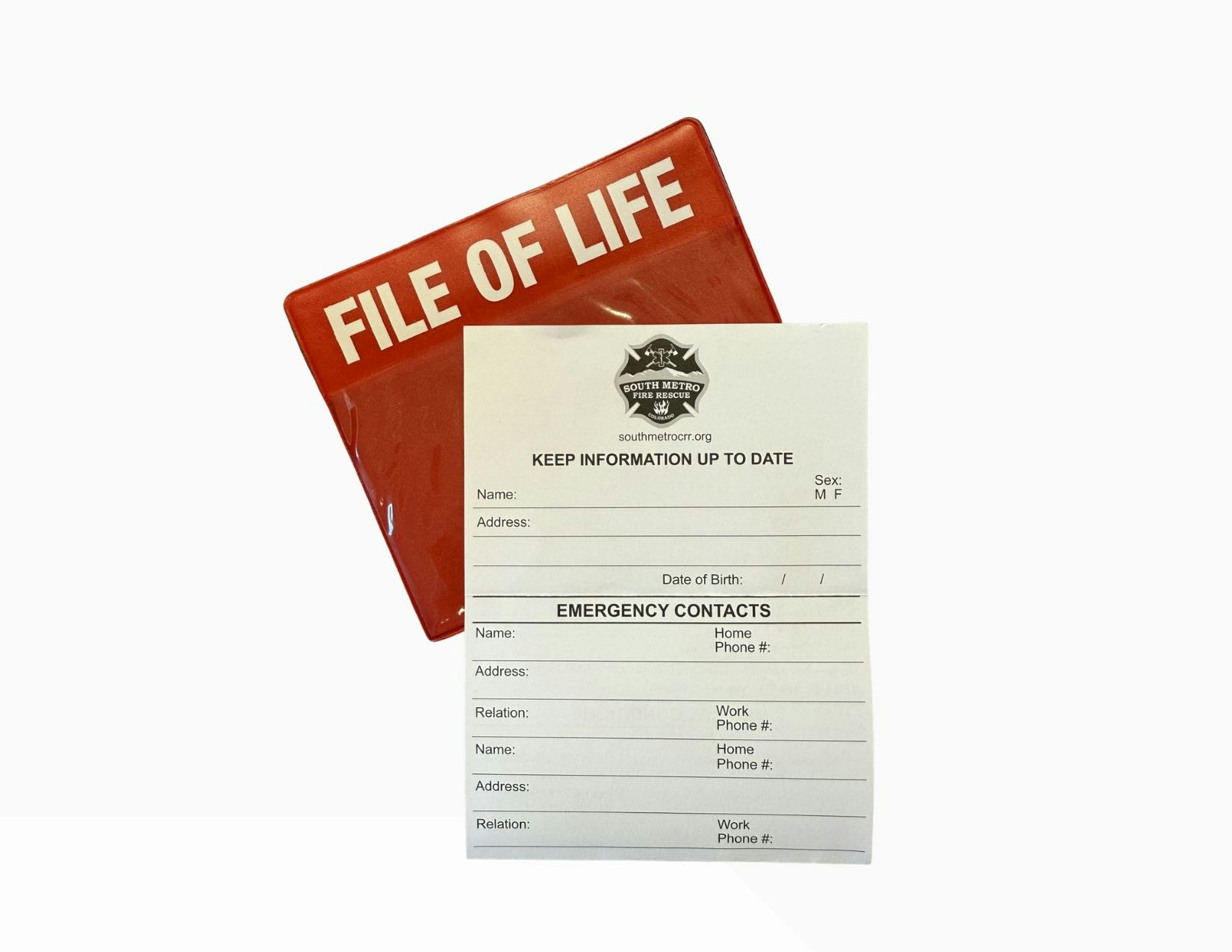
Request a FREE File of Life Magnet by clicking here: FILE OF LIFE ORDERS
South Metro Fire Rescue often receives questions about the differences in care at Primary Care, Urgent Care, and Emergency Room (ER) facilities. To help answer this question, we have included the chart below.
If you are unsure whether your condition warrants an ER vs Urgent Care visit, DO NOT HESITATE to call 911 and receive an evaluation by SMFR Paramedics. We can help you make your transport destination decision.

Did you know 9-1-1 can go both ways?
Reverse 9-1-1 will alert residents about time-sensitive threats like evacuations, hazardous materials releases, extreme weather warnings, or other public safety issues.
The system sends alerts via landline, cell phone, email, or text message when seconds count. Don't miss out on potentially life-saving information.

Visit www.southmetrocrr.org/reverse911 for more information.
Thank you for doing your part to keep yourself, your home, and our community safe.
Please share this important safety information with friends and neighbors so we can all stay safe together! Encourage them to sign up for our Newsletter: CLICK HERE TO SIGN UP.

From our South Metro Family to yours, Happy Valentine's Day!